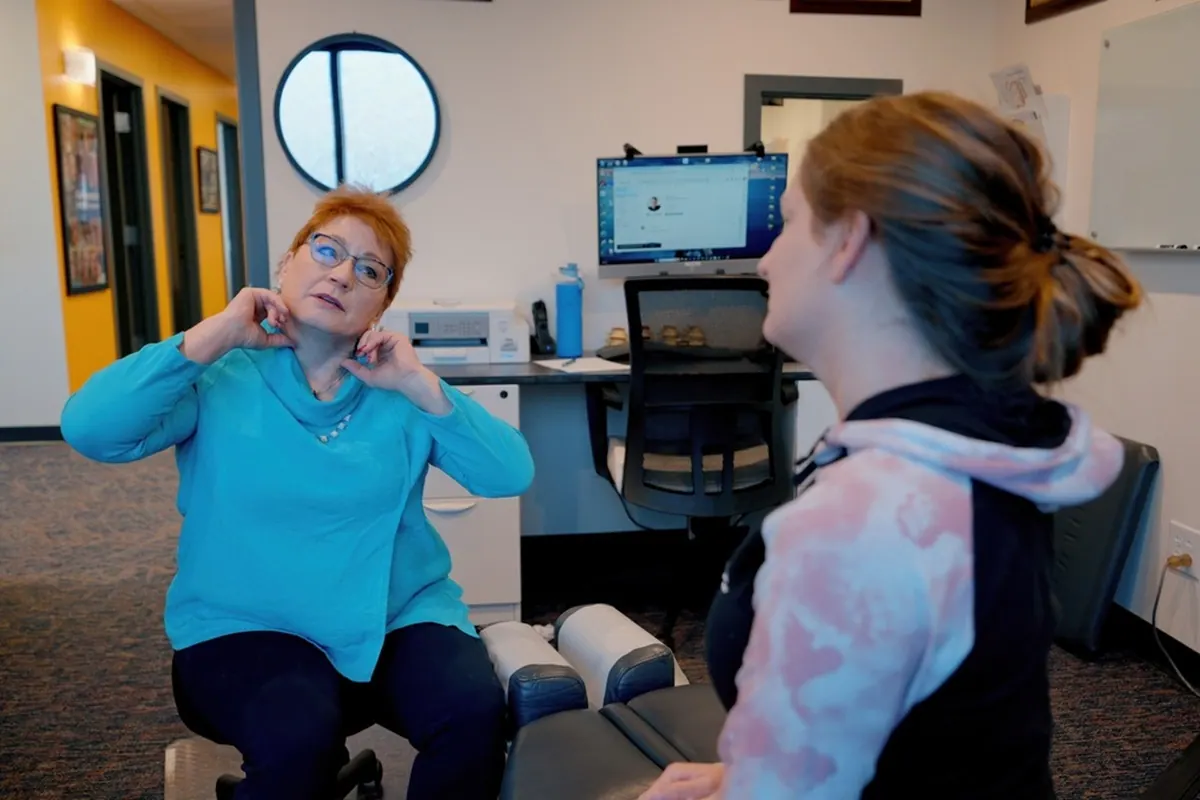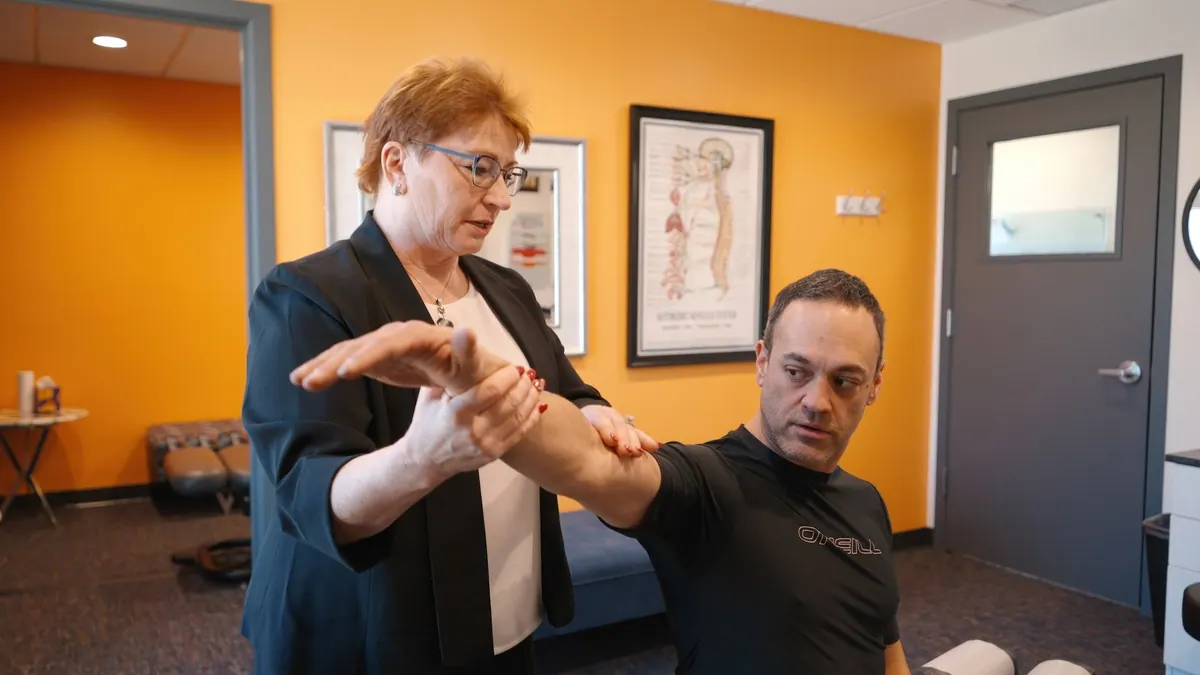
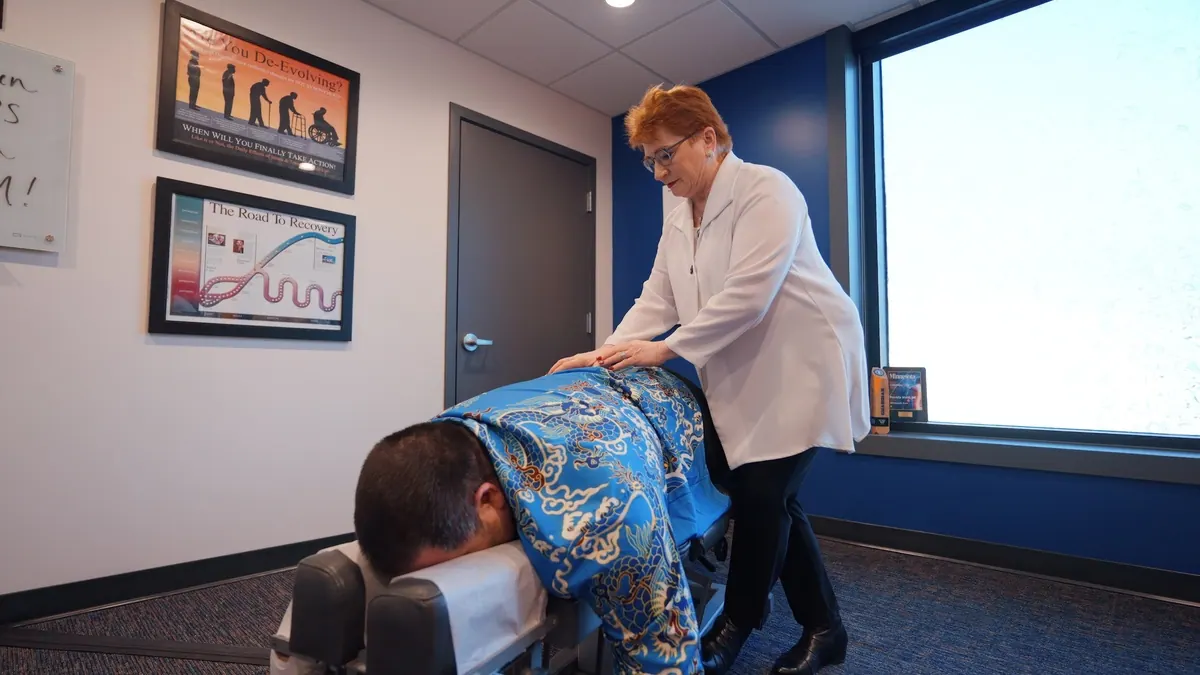
Most of us don’t think much about how we’re sitting, standing, or carrying ourselves throughout the day. It’s one of those things that quietly happens in the background of life — until it isn’t so quiet anymore. If you’ve been dealing with nagging neck tension, a stiff lower back, or headaches that seem to come out of nowhere, there’s a good chance your posture is playing a bigger role than you realize. At Natural Ways Chiropractic in Roseville, MN, Dr. Trish Wolff sees this pattern regularly — patients who are surprised to learn that small, everyday postural habits have been silently stressing their spine for months or even years. The good news? Awareness is the first step to change, and change is absolutely possible.
What exactly do posture mistakes do to your spine?
Poor posture places uneven, excessive, or prolonged mechanical stress on the vertebrae, discs, muscles, and ligaments of the spine. Over time, this can lead to muscle imbalances, joint dysfunction, increased wear on spinal structures, and chronic pain. The effects are gradual — which is exactly why they’re so easy to overlook until discomfort becomes impossible to ignore.
Mistake #1: Forward Head Posture — The “Tech Neck” Trap
If you spend a good portion of your day looking at a phone, laptop, or tablet, this one applies to you. Forward head posture — sometimes called “tech neck” — occurs when your head drifts in front of your shoulders rather than sitting directly above them. It seems minor, but the biomechanical consequences are significant.
Here’s why it matters: your head weighs approximately 10 to 12 pounds when it’s balanced directly over your spine. For every inch it shifts forward, the effective load on your cervical spine dramatically increases. By the time your head is just two to three inches forward, the strain on the muscles and joints of your neck can feel equivalent to carrying many times that original weight. That’s a tremendous amount of cumulative stress on the structures that support you day in and day out.
In Roseville and across the country, this problem has become increasingly common as screen time has increased. Dr. Trish Wolff frequently discusses this with patients who wonder why their neck and upper back feel constantly tight or fatigued. The answer, in many cases, starts with where their head sits in relation to their spine throughout the day.
Mistake #2: Slouching While Sitting — The Position We Default To
Slouching is perhaps the most universally recognized posture mistake, yet it remains one of the hardest habits to break. When you slouch — rounding your lower back and collapsing your chest forward — you dramatically alter the natural curves of your spine. Your lumbar spine, which should have a gentle inward curve, gets flattened or even reversed. Your thoracic spine, which naturally curves slightly outward, becomes exaggerated. And your head, trying to stay level, juts forward in response.
What’s happening at the tissue level is equally concerning. Slouching compresses the front portions of your spinal discs and places excessive tension on the ligaments and muscles along the back of the spine. Over time, this can contribute to disc irritation, muscle fatigue, and reduced spinal mobility. For those who work desk jobs or spend long hours commuting, this is not a minor issue — it’s an hours-long daily mechanical burden.
One important clarification: sitting itself isn’t the enemy. The way you sit, and how often you change positions, matters far more. Even a well-supported seated posture can become problematic if you stay in it for too long without movement breaks.
Mistake #3: Uneven Weight Distribution — Standing Lopsided
This one is subtle, and that’s exactly what makes it so tricky. Many people habitually shift their weight onto one leg while standing — at the kitchen counter, waiting in line, or standing during conversations. It feels comfortable, even natural. But when this becomes your default stance, the consequences ripple upward through the entire musculoskeletal system.
When you consistently load one side of your body more than the other, you create asymmetrical tension in your hips, pelvis, and lumbar spine. Over months and years, this can contribute to muscle imbalances, pelvic tilting, and altered spinal mechanics. The body is remarkably adaptable, but it adapts to the positions we put it in most often — and not always in ways that serve us well long-term.
Dr. Trish Wolff at Natural Ways Chiropractic in Roseville, MN often evaluates how patients stand and move as part of a comprehensive postural assessment. The hip and pelvis alignment that comes from standing habits can be just as relevant as sitting posture when it comes to understanding spinal stress patterns.
Mistake #4: Sleeping in Poor Positions — Undoing Your Day’s Progress
We spend roughly one-third of our lives sleeping. That means sleep position isn’t a trivial detail — it’s a significant contributor to your cumulative spinal load. Some sleeping positions are far more supportive of spinal alignment than others, and some combinations of position and pillow choice actively work against the natural curves of your spine.
Sleeping on your stomach is widely regarded by musculoskeletal health professionals as the most problematic position for spinal health. It requires you to rotate your neck to one side for extended periods, which places significant stress on the cervical joints and soft tissues. It also flattens the lumbar curve and can create compression at the front of the spine.
Side sleeping can be excellent for spinal alignment when done correctly — hips stacked, knees slightly bent, and a pillow that keeps the cervical spine level with the rest of the spine. Back sleeping is also generally well-supported, particularly with a pillow under the knees to maintain the lumbar curve. The pillow under your head matters enormously in both cases. A pillow that’s too thick or too flat changes the angle of your cervical spine throughout the night, contributing to morning stiffness and tension headaches.
Mistake #5: Ignoring Your Core — The Foundation Your Spine Relies On
Your core isn’t just about how your midsection looks. It’s a complex system of deep and superficial muscles that work together to stabilize the spine, transfer forces between the upper and lower body, and maintain postural control throughout every activity of daily life. When the core is weak or poorly coordinated, the spine lacks the muscular support it depends on — and other structures end up compensating in ways they weren’t designed to.
A weak core doesn’t just mean you’re more likely to slouch. It means your spine is absorbing more compressive and shear force than it should during everyday movements — reaching, bending, lifting, even walking. Research in the area of spine biomechanics has consistently highlighted the importance of deep core musculature, particularly the muscles closest to the spine, in maintaining healthy spinal function.
The mistake many people make is assuming that core strength means doing sit-ups or crunches. In reality, the deep stabilizing muscles of the core respond best to different kinds of exercises — controlled, low-load movements that emphasize activation and coordination rather than brute strength. This is something the team at Natural Ways Chiropractic in Roseville, MN is happy to discuss as part of a broader approach to spinal health.
How Chiropractic Care Fits Into Your Postural Health
Chiropractic care takes a whole-body, non-invasive approach to addressing the kinds of spinal stress that poor posture creates. When joints in the spine become restricted or misaligned due to chronic postural loading, they can affect surrounding muscles, nerves, and the body’s overall movement patterns. Chiropractic adjustments are designed to restore proper joint motion, reduce mechanical stress, and support the spine’s ability to function as it was meant to.
Beyond adjustments, a good chiropractic evaluation involves looking at the full picture — how you move, where your postural imbalances are, what lifestyle factors are contributing, and what corrective strategies make the most sense for your specific situation. Dr. Trish Wolff at Natural Ways Chiropractic takes this comprehensive approach with every patient. The goal isn’t just to reduce discomfort in the short term — it’s to help you understand your body better so you can make choices that support your spine for the long haul.
Evidence from organizations such as the American Chiropractic Association and research compiled by the NIH’s National Center for Complementary and Integrative Health suggests that chiropractic care can be a valuable part of a conservative, non-surgical approach to managing spine-related discomfort and improving musculoskeletal function.
Practical Tips for Better Posture Every Day
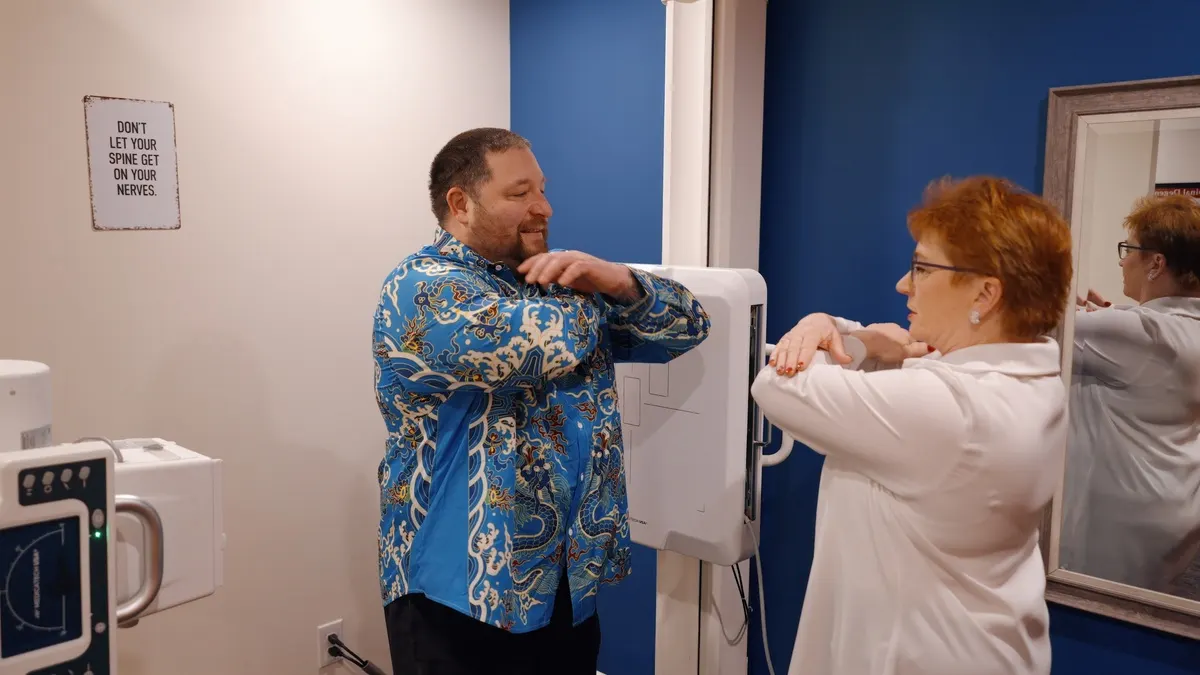
Making meaningful changes to posture doesn’t require an overhaul of your entire lifestyle. Small, consistent adjustments add up significantly over time. Here are some grounded, practical strategies that Dr. Trish Wolff recommends to patients at Natural Ways Chiropractic:
Start with your screen height. Whether you’re using a desktop monitor or a laptop, your screen should be at approximately eye level so your head doesn’t need to tilt up or down to see clearly. This single adjustment can dramatically reduce cervical strain throughout the workday.
Set movement reminders. Even excellent posture becomes a problem when sustained for too long without a break. Aim to change positions or take a short walking break at least once every 30 to 45 minutes. Brief movement breaks allow spinal tissues to decompress and muscles to reset.
Pay attention to your sleep setup. Assess your pillow and mattress honestly. A pillow that no longer provides adequate support is worth replacing. Your sleeping surface should support the natural curves of your spine without being so soft that you sink into misalignment.
Be intentional about standing. When you’re standing for an extended period, check in with yourself. Are both feet planted evenly? Is your weight distributed through the entire foot rather than shifted to one hip? Small corrections, practiced consistently, retrain your neuromuscular habits over time.
When to See a Chiropractor About Posture-Related Concerns
If you’ve been dealing with persistent neck or back stiffness, recurring headaches that seem to originate at the base of the skull, or discomfort that tends to worsen after sitting or standing for long periods, these are reasonable signals that a postural evaluation could be genuinely helpful. Chiropractors are specifically trained to assess spinal alignment, joint function, and movement patterns — making them well-positioned to identify how posture may be contributing to your symptoms.
You don’t need to be in severe pain to benefit from a chiropractic evaluation. Many people in the Roseville, MN community come to Natural Ways Chiropractic proactively — before pain becomes serious — because they’ve noticed tension building, their mobility declining, or their energy being drained by chronic muscle fatigue.
That said, there are certain symptoms that warrant prompt medical attention rather than, or in addition to, chiropractic care. These include sudden severe pain following an injury, numbness or tingling that radiates down an arm or leg, loss of bladder or bowel control, or significant weakness in a limb. In these situations, it’s important to seek evaluation from an appropriate medical provider right away.
Posture Mistakes vs. Corrections
Posture Mistake | What It Does to the Spine | Simple Correction |
|---|---|---|
Forward head posture | Dramatically increases cervical spine load; strains neck muscles and joints | Raise screen to eye level; gently retract chin to stack head over shoulders |
Slouching while seated | Flattens lumbar curve; compresses discs; strains posterior ligaments | Use lumbar support; sit with hips slightly higher than knees; maintain natural curves |
Uneven weight shifting while standing | Creates pelvic imbalance; asymmetrical muscle tension through hips and lumbar spine | Distribute weight evenly; use a footrest if standing for long periods |
Stomach sleeping | Rotates cervical spine; flattens lumbar curve; increases disc compression | Transition to side or back sleeping with appropriate pillow support |
Neglecting core stability | Reduces spinal support; increases load on passive structures like discs and ligaments | Incorporate gentle core activation exercises; consult a chiropractor for guidance |
Myths vs. Facts About Posture and Spinal Health
Myth: Good posture means sitting or standing rigidly straight at all times.
Fact: The spine has natural curves, and good posture means supporting and respecting those curves — not eliminating them with military-style rigidity. Holding a perfectly “straight” position with excessive muscular effort can actually create more tension than relaxed, well-aligned posture. Variety in position and regular movement are just as important as any single “correct” stance.
Myth: If you’re not in pain, your posture is probably fine.
Fact: Postural problems often develop silently over years before symptoms emerge. The absence of pain doesn’t mean the spine is free from mechanical stress or dysfunction. Many patients at Natural Ways Chiropractic in Roseville, MN are surprised to discover significant postural imbalances that had been developing long before any discomfort appeared.
Myth: Posture problems are permanent once you have them.
Fact: While some structural changes associated with long-term poor posture may be difficult to fully reverse, functional posture — the way your muscles and joints habitually position and move your body — is quite responsive to consistent effort and appropriate care. Many people see meaningful improvement in how they hold themselves and feel with dedicated attention and professional support.
Myth: Only older people need to worry about posture and spinal health.
Fact: Spinal habits form early, and the cumulative effects of poor posture begin accumulating at any age. Dr. Trish Wolff sees patients across a wide age range at Natural Ways Chiropractic — from teenagers spending long hours on devices to working adults and seniors. Addressing posture earlier in life simply means getting ahead of the damage before it has decades to accumulate.
Myth: Chiropractic care is only useful once you’re already in significant pain.
Fact: Chiropractic care is a proactive as well as a reactive resource. Many patients use regular chiropractic visits as part of their overall wellness routine — not because they’re in crisis, but because they want to maintain spinal function, catch problems early, and support their body’s ability to move and feel well over time.
Final Thoughts From Natural Ways Chiropractic in Roseville, MN
Your spine is with you every single day — supporting every movement, bearing the load of everything you carry, and housing the nervous system that keeps your entire body communicating. It deserves a little attention. The five posture mistakes we’ve covered here aren’t obscure or complicated. They’re the everyday habits that most of us fall into without realizing it — and that’s actually encouraging, because habits can be changed.
At Natural Ways Chiropractic in Roseville, MN, Dr. Trish Wolff and the team are genuinely passionate about helping members of the local community understand how their bodies work, why they feel the way they do, and what they can do about it. Whether you’re experiencing discomfort right now or simply want to be proactive about your spinal health, you’re in the right place to start that conversation. You don’t have to navigate this alone, and you don’t have to accept aches and stiffness as just a normal part of life.
Small changes, made consistently, really do make a difference. We’re here to help you make them.
Frequently Asked Questions
Can poor posture really cause headaches?
Yes — this is a well-recognized connection in musculoskeletal health. Forward head posture and upper cervical joint dysfunction can contribute to tension-type headaches and what are sometimes called cervicogenic headaches, which originate from structures in the neck. Addressing the underlying cervical mechanics, rather than just treating the headache symptom, is often a productive approach.
How long does it take to correct poor posture?
This varies considerably depending on how long the postural habits have been present, the individual’s overall health, and the consistency of their corrective efforts. Some people notice improvement in muscular tension within a few weeks of making consistent changes. Deeper structural and movement pattern changes tend to develop over months with sustained effort and appropriate care.
Is it bad to sit all day even with good posture?
Even excellent seated posture becomes a mechanical stress when sustained for extended periods without movement. The human body is designed for variety and movement, not prolonged static positions. Regular position changes and movement breaks are essential regardless of how well-aligned your seated posture is.
What kind of pillow is best for spinal health during sleep?
The best pillow for you depends on your preferred sleep position. Side sleepers generally need a firmer, thicker pillow to keep the cervical spine level with the rest of the spine. Back sleepers typically benefit from a lower-profile pillow that maintains the natural cervical curve without pushing the head too far forward. A chiropractor can help guide you based on your specific situation.
Can children and teenagers develop posture problems?
Absolutely. With increased device use and time spent in seated positions, spinal postural habits are forming at younger ages than ever before. Addressing postural awareness and movement habits early is one of the most valuable things young people can do for their long-term musculoskeletal health.
Do I need an X-ray to get a postural assessment at a chiropractor?
Not necessarily. A chiropractic postural assessment often involves visual analysis of how you stand, sit, and move, along with hands-on evaluation of spinal joints and muscle function. Imaging may be recommended in certain situations, but it is not automatically required for an initial postural evaluation.
TL;DR Summary
Forward head posture, slouching, uneven weight distribution, poor sleep positions, and a weak core are five of the most common — and damaging — postural mistakes affecting spinal health.
These habits create cumulative mechanical stress on the spine’s joints, discs, muscles, and ligaments, often without causing noticeable pain until significant damage has accumulated.
Simple, consistent corrections — like raising your screen height, taking movement breaks, and improving your sleep setup — can meaningfully reduce postural stress over time.
Chiropractic care offers a non-invasive, drug-free approach to evaluating and addressing postural imbalances and spinal dysfunction.
Dr. Trish Wolff and the team at Natural Ways Chiropractic in Roseville, MN are available to help you assess your posture, understand your symptoms, and take practical steps toward better spinal health.