Chronic back pain is one of the most common — and most frustrating — health challenges that people face today. If you’ve been dealing with persistent back pain for months or even years, you already know how deeply it can affect your daily life. Simple things like getting out of bed, sitting at your desk, or playing with your kids can become genuinely difficult. The good news is that long-term relief is possible, and understanding the strategies available to you is a powerful first step. At Natural Ways Chiropractic in Roseville, MN, we work with patients every day who are searching for real, lasting answers to chronic back pain — not just a temporary fix.
What is chronic back pain?
Chronic back pain is generally defined as pain in the back that persists for 12 weeks or longer, even after an initial injury or underlying cause has been treated. It can affect the lower back, mid-back, or upper back, and it ranges from a dull, constant ache to sharp, unpredictable discomfort. Unlike acute pain, which signals a recent injury, chronic back pain often involves complex interactions between the spine, muscles, nerves, and even the nervous system’s pain-processing pathways.
Understanding Chronic Back Pain
To manage chronic back pain effectively, it helps to first understand what’s actually happening in your body. Your spine is a remarkable structure — 33 vertebrae stacked in a column, cushioned by intervertebral discs, supported by muscles and ligaments, and housing the spinal cord itself. When any part of this system is stressed, injured, or out of alignment, the ripple effects can be significant.
Chronic back pain is different from a typical sore muscle after a hard workout. It tends to have a more complex origin and often involves multiple contributing factors working together. The nervous system can actually become sensitized over time, meaning the body begins to perceive pain more easily and intensely even when the original tissue damage has healed. This is why long-term pain management requires a multi-faceted approach rather than a single solution.
Here in Roseville, MN, many patients arrive at Natural Ways Chiropractic after months or even years of trying to push through the pain on their own — or after treatments that only provided short-term relief. Understanding the nature of their pain is often the first breakthrough they experience.
Common Causes of Chronic Back Pain
Chronic back pain rarely has just one cause. Most of the time, it develops from a combination of structural, lifestyle, and postural factors that build up over time. Understanding the root causes is essential to finding a management strategy that actually works.
Degenerative disc disease is one of the most frequently seen contributors. As we age, the intervertebral discs that act as cushions between vertebrae naturally lose hydration and elasticity. This can lead to reduced disc height, increased joint stress, and persistent pain — particularly in the lower back. Similarly, spinal osteoarthritis involves the gradual wearing down of the cartilage in the spinal joints, leading to stiffness, inflammation, and chronic discomfort.
Herniated or bulging discs are another common culprit. When a disc’s inner material pushes outward and irritates a nearby nerve root, it can cause not only local back pain but also radiating pain down the legs — a condition commonly called sciatica. Muscle imbalances, postural strain from prolonged sitting, and repetitive occupational movements also play a major role in keeping chronic pain cycles alive.
It’s also worth noting that psychological factors like chronic stress, poor sleep, and anxiety can amplify the experience of pain. The brain and body are not separate systems — they communicate constantly, and emotional health has a genuine impact on how physical pain is perceived and processed.
Signs, Symptoms, and How It Affects Daily Life
Chronic back pain presents differently for different people, which is one of the reasons it can be so difficult to manage without professional guidance. Some people experience a persistent dull ache that never fully goes away, while others have episodes of sharp, severe pain that flare up unexpectedly. Still others describe stiffness — particularly in the morning — that gradually improves throughout the day.
Common symptoms associated with chronic back pain include localized tenderness, muscle tightness, reduced range of motion, and pain that worsens with sitting, standing, or bending for extended periods. When nerve involvement is present, symptoms may also include tingling, numbness, or radiating discomfort into the hips, buttocks, or legs.
Beyond the physical symptoms, chronic back pain takes a real toll on quality of life. It can interfere with sleep, reduce physical activity, affect mood, and create a sense of helplessness that makes recovery feel impossible. Many patients at Natural Ways Chiropractic in Roseville, MN describe feeling stuck — like nothing will ever truly work. That’s why addressing both the physical and lifestyle components of pain management matters so much.
How Chiropractic Care Fits Into Long-Term Management
Chiropractic care is a non-invasive, drug-free approach to managing chronic back pain, and it is widely recognized as a valuable part of conservative care. Organizations like the American College of Physicians (ACP) and the National Institutes of Health’s National Center for Complementary and Integrative Health (NCCIH) both acknowledge spinal manipulation as a reasonable option for managing chronic low back pain.
At the core of chiropractic care is the idea that proper spinal alignment supports optimal nervous system function. When vertebrae shift out of their ideal position — a condition chiropractors refer to as a subluxation — it can create mechanical stress, reduce mobility, and contribute to the pain cycle. Spinal adjustments work to restore normal alignment and movement, reducing that mechanical load and helping the body function more efficiently.
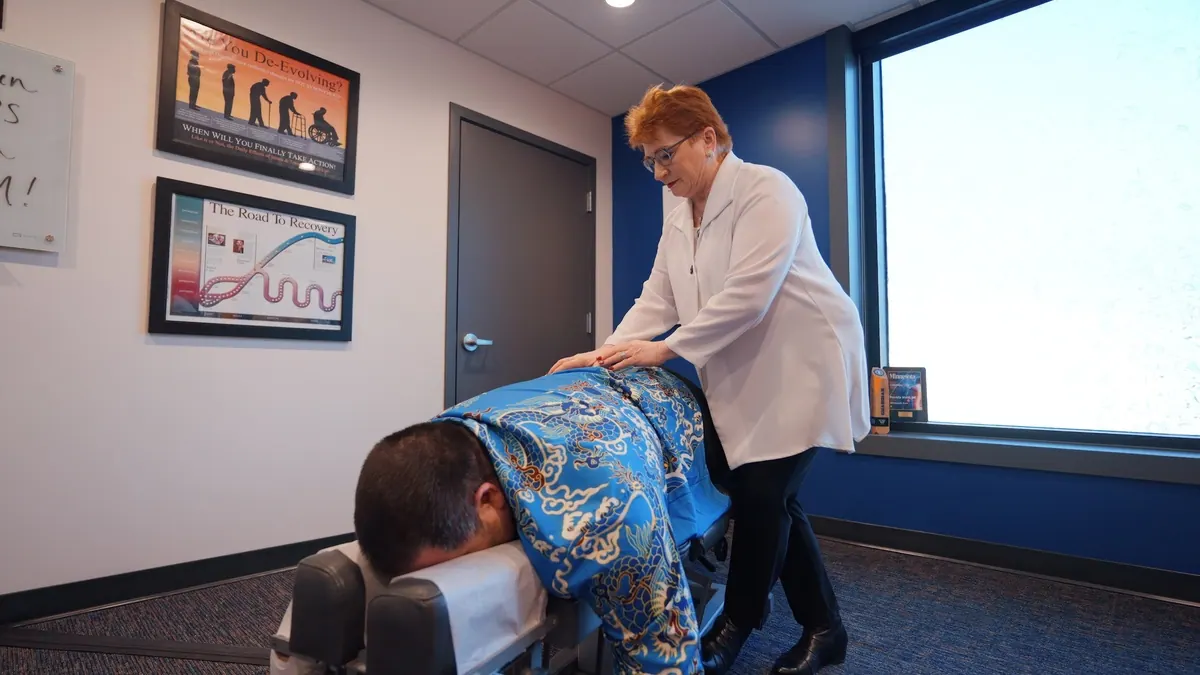
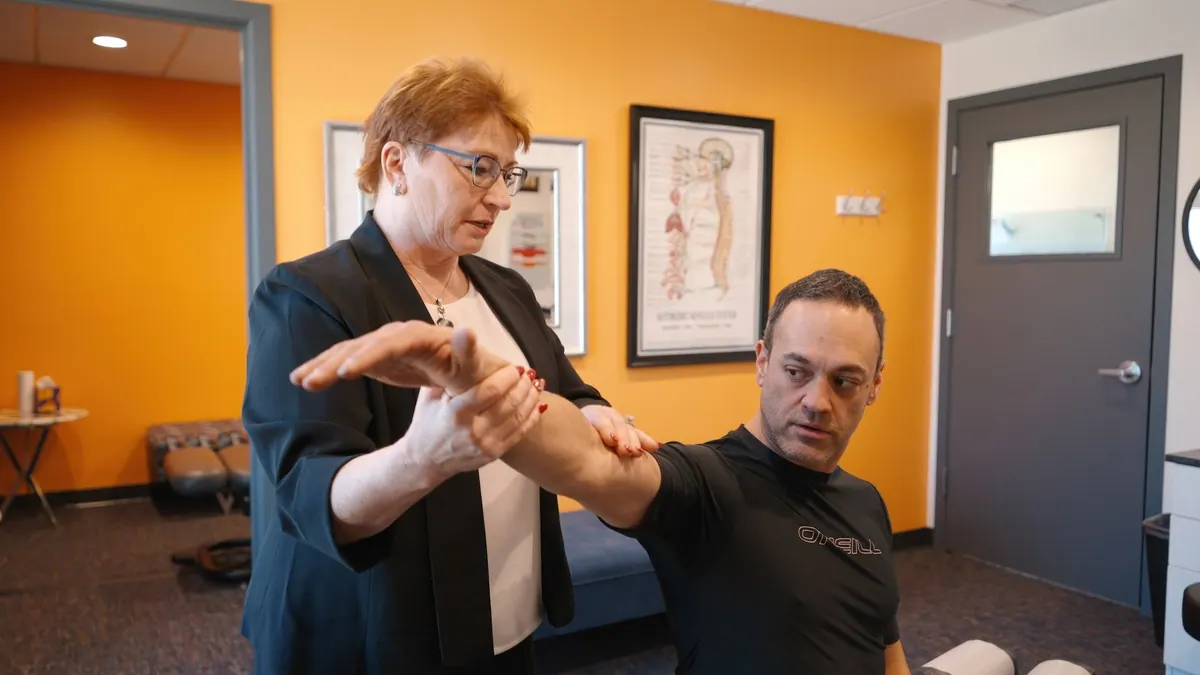
Dr. Trish Wolff at Natural Ways Chiropractic takes a comprehensive, individualized approach to chronic back pain management. Rather than applying a one-size-fits-all treatment, she works to understand each patient’s unique history, postural patterns, lifestyle habits, and goals. Care may include spinal adjustments, soft tissue techniques, postural corrections, and movement guidance — all tailored to where you are in your health journey.
Chiropractic care is not a cure for chronic pain, but it can be a meaningful part of a long-term management strategy. Many patients experience improvements in mobility, reductions in pain intensity, and a greater ability to participate in the activities they love — especially when chiropractic is combined with consistent lifestyle habits and other appropriate therapies.
For those in the Roseville, MN area who are looking for a conservative, evidence-informed approach, Natural Ways Chiropractic offers a supportive environment focused on long-term wellness rather than quick fixes.
Practical Strategies for Day-to-Day Relief
Managing chronic back pain isn’t something that only happens during a chiropractic appointment. What you do throughout your day has a significant impact on your overall pain levels and long-term outcomes. Here are some practical, research-supported strategies to incorporate into your daily routine.
Movement is medicine. While it may feel counterintuitive to move when your back hurts, prolonged rest is generally not recommended for chronic back pain. Gentle, consistent movement — like walking, swimming, or stretching — helps maintain spinal mobility, reduces stiffness, and supports the health of your intervertebral discs, which rely on movement to absorb nutrients. Even short walks throughout the day can make a meaningful difference.
Ergonomics deserve serious attention, especially if you work at a desk. Your workstation setup can either support or sabotage your back health. Your monitor should be at eye level, your feet should be flat on the floor, and your lower back should have adequate lumbar support. Avoid sitting for more than 30 to 45 minutes at a time without standing up and moving briefly.
Sleep position also matters more than most people realize. Sleeping on your back with a pillow under your knees, or on your side with a pillow between your knees, can reduce spinal stress during the night. A supportive mattress that’s neither too soft nor too firm tends to work best for those with chronic back pain.
Finally, stress management practices like deep breathing, gentle yoga, mindfulness, and even regular time outdoors can have a genuine impact on how your nervous system processes pain. These aren’t “soft” suggestions — they’re backed by a growing body of evidence showing that the mind-body connection is deeply relevant in chronic pain management.
When to See a Chiropractor for Back Pain
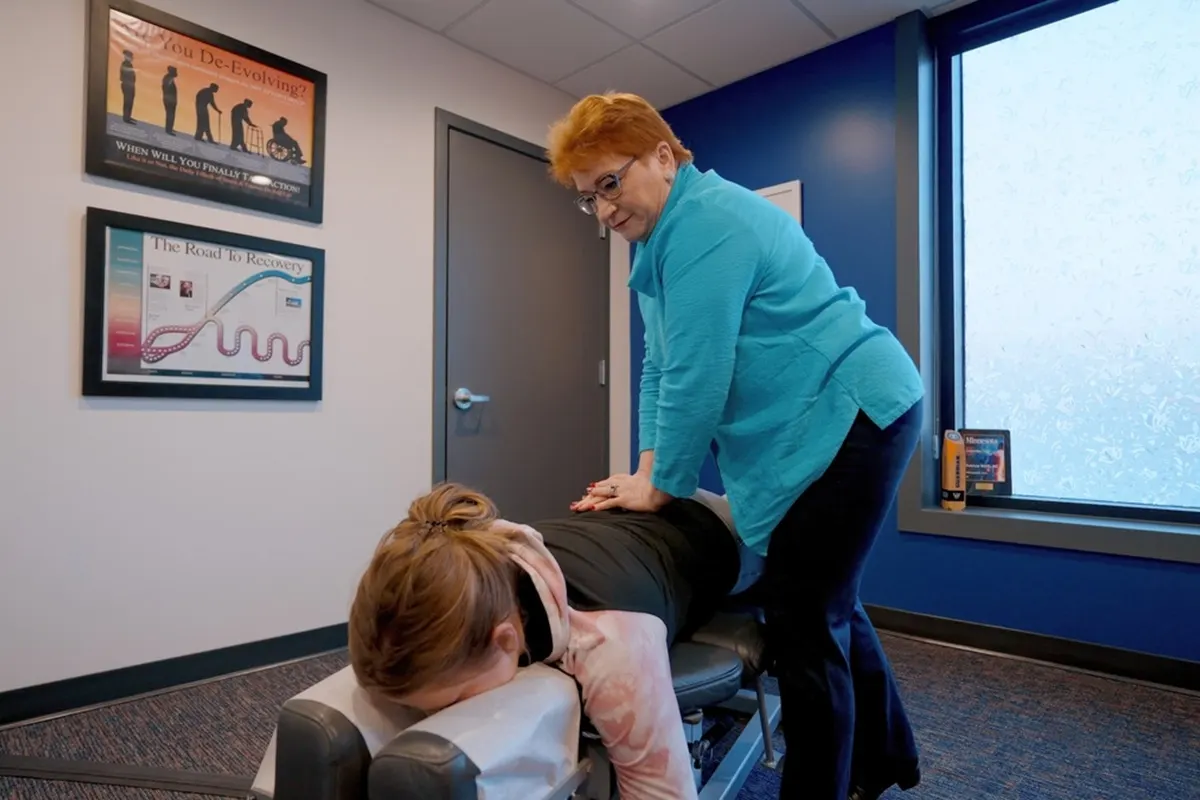
If your back pain has lasted longer than a few weeks and hasn’t improved with rest and basic self-care, it’s a good time to seek a professional evaluation. You don’t need to be in crisis-level pain to benefit from chiropractic care. In fact, addressing chronic back pain earlier — before compensatory patterns and muscle imbalances become deeply entrenched — tends to lead to better outcomes.
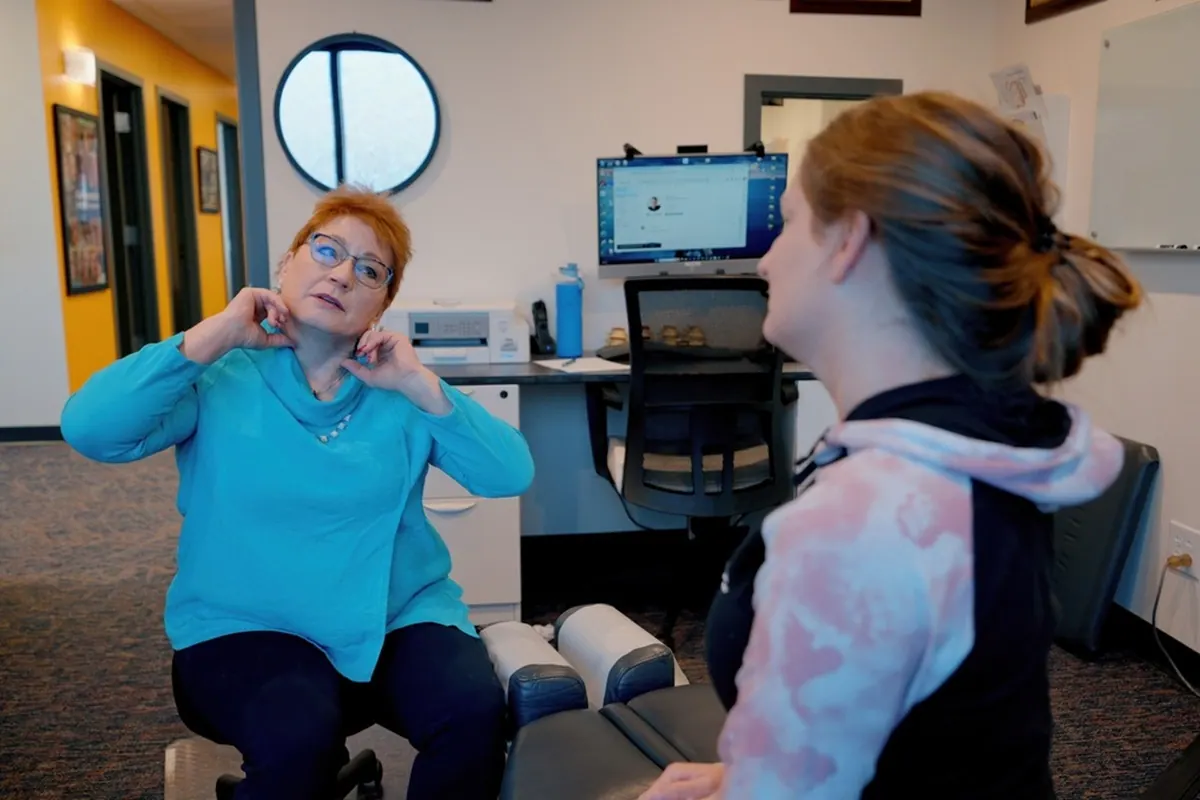
Dr. Trish Wolff and the team at Natural Ways Chiropractic in Roseville, MN welcome patients who are at any stage of their back pain journey. Whether you’ve been dealing with discomfort for a few months or many years, a thorough evaluation can help clarify what’s contributing to your pain and what a realistic management plan might look like for you.
There are, however, certain red flag symptoms that warrant immediate medical attention rather than a chiropractic visit. These include back pain accompanied by loss of bladder or bowel control, pain following a significant trauma or fall, unexplained weight loss, fever alongside back pain, or severe and rapidly worsening neurological symptoms like weakness in the legs. These situations require urgent medical evaluation to rule out serious underlying conditions.
Chronic Back Pain: Common Triggers and Management Approaches
Trigger / Factor | How It Contributes to Pain | Management Strategy |
|---|---|---|
Prolonged Sitting | Increases lumbar disc pressure and weakens core muscles | Hourly movement breaks, ergonomic chair setup, lumbar support |
Spinal Misalignment | Creates mechanical stress on joints and surrounding tissues | Chiropractic spinal adjustments, postural correction |
Muscle Imbalances | Causes uneven load distribution across the spine | Targeted stretching, strengthening exercises, movement coaching |
Chronic Stress | Increases muscle tension and amplifies pain perception | Mindfulness, breathing exercises, adequate sleep |
Poor Sleep Position | Places uneven stress on spinal structures overnight | Supportive mattress, pillow positioning between or under knees |
Degenerative Disc Changes | Reduces cushioning between vertebrae, increases joint stress | Gentle movement, chiropractic care, anti-inflammatory lifestyle habits |
Myths vs. Facts About Chronic Back Pain
Myth: If you have chronic back pain, rest is the best treatment.
Fact: While short-term rest may help with acute flare-ups, prolonged inactivity is associated with worsening chronic back pain. Movement — even gentle, low-impact activity — is generally recommended by major health organizations as a core component of chronic pain management. Staying still for too long can actually increase stiffness and further weaken the muscles that support your spine.
Myth: Chronic back pain always means there’s serious structural damage.
Fact: Pain intensity does not always correlate with the degree of structural damage. Many people with significant findings on imaging (like disc bulges or degenerative changes) experience minimal pain, while others with relatively minor structural issues report severe discomfort. The relationship between tissue changes and pain is complex and involves nervous system sensitivity, lifestyle factors, and overall health.
Myth: Chiropractic adjustments are dangerous for people with chronic back pain.
Fact: When performed by a licensed chiropractor following a thorough evaluation, spinal adjustments are considered safe for the vast majority of patients with chronic back pain. Serious adverse events are rare. Chiropractors are also trained to identify contraindications and will refer patients to appropriate medical care when needed.
Myth: You just have to learn to live with chronic back pain — nothing really helps.
Fact: While chronic back pain may not always be fully eliminated, meaningful improvement in pain levels, mobility, and quality of life is achievable for many people. A consistent, multi-faceted management approach — including chiropractic care, movement, ergonomic improvements, and stress management — has been shown to make a real difference in how people experience and manage their pain over the long term.
Myth: Surgery is the most effective solution for chronic back pain.
Fact: For most cases of non-specific chronic back pain, conservative care — including chiropractic, physical therapy, and lifestyle modification — is recommended before considering surgical intervention. Evidence suggests that surgery is most appropriate for specific structural conditions like severe disc herniation with persistent neurological compromise, not as a first-line response to general chronic back pain.
Final Thoughts from Natural Ways Chiropractic
Living with chronic back pain is genuinely hard. It affects more than just your body — it touches your energy, your mood, your relationships, and your ability to do the things you care about. But it doesn’t have to define your life, and it doesn’t have to be permanent. With the right combination of professional care, daily habits, and a willingness to take a long-term view, meaningful relief is within reach.
At Natural Ways Chiropractic in Roseville, MN, Dr. Trish Wolff is committed to helping patients in our community find that relief in a way that’s safe, sustainable, and grounded in their individual needs. We believe in working with the body’s natural capacity to heal — not masking pain, but addressing the underlying factors that are keeping it alive.
If you’re in the Roseville area and you’ve been struggling with chronic back pain, we encourage you to take the first step and reach out. You deserve to feel better, and you don’t have to figure this out alone. Our team at Natural Ways Chiropractic is here to support you every step of the way.
Frequently Asked Questions
How long does it take for chiropractic care to help with chronic back pain?
The timeline varies depending on the individual, the duration of the pain, and the underlying causes involved. Some patients notice improvement within a few visits, while others with long-standing chronic pain may require consistent care over several weeks or months to experience meaningful changes. Dr. Trish Wolff at Natural Ways Chiropractic will outline realistic expectations based on your specific situation during your initial evaluation.
Is chiropractic care safe for older adults with chronic back pain?
Yes, chiropractic care can be appropriate for older adults, and techniques are often modified to account for age-related changes in the spine such as osteoporosis or degenerative joint disease. A thorough health history and evaluation helps determine the safest and most effective approach. It’s always important to share your complete health history with your chiropractor before beginning care.
Can chronic back pain be caused by stress?
Stress itself doesn’t directly damage spinal structures, but it does contribute to muscle tension, heightened nervous system sensitivity, and poor sleep — all of which can intensify chronic back pain. Managing stress through lifestyle practices is considered a legitimate and important part of a comprehensive pain management plan.
Should I get an MRI or X-ray before seeing a chiropractor?
Not necessarily. Chiropractors are trained to conduct thorough physical evaluations and assess whether imaging is warranted. In many cases, imaging is not immediately necessary for non-specific chronic back pain. If Dr. Trish Wolff determines that imaging would provide clinically relevant information for your care, she will guide you accordingly.
What’s the difference between acute and chronic back pain?
Acute back pain typically refers to pain lasting fewer than four to six weeks, often linked to a specific event like a muscle strain or sudden movement. Chronic back pain is generally defined as pain persisting beyond 12 weeks. The causes, contributing factors, and management strategies for each can differ significantly, which is why a professional evaluation is so valuable.
Can lifestyle changes really make a difference in chronic back pain?
Absolutely. Factors like physical activity, sleep quality, body weight, hydration, and stress levels all influence how the spine functions and how pain is experienced. While lifestyle changes alone may not fully resolve chronic back pain, they play a meaningful supporting role in any comprehensive management plan and can significantly improve long-term outcomes.
TL;DR — Key Takeaways
Chronic back pain is defined as back pain lasting 12 weeks or more and involves complex physical, neurological, and lifestyle factors that must all be addressed for lasting relief.
Common contributors include spinal misalignment, degenerative disc changes, muscle imbalances, poor posture, and chronic stress — often working together rather than in isolation.
Chiropractic care, as practiced by Dr. Trish Wolff at Natural Ways Chiropractic in Roseville, MN, offers a non-invasive, individualized approach that can be a meaningful part of a long-term management strategy.
Daily habits — including consistent movement, ergonomic awareness, proper sleep positioning, and stress management — play a crucial role in managing chronic back pain between professional treatments.
Seek professional evaluation if your back pain has lasted more than a few weeks, and seek immediate medical care if you experience red flag symptoms like loss of bladder or bowel control, fever, or rapidly worsening neurological symptoms.